CSR Theme 1 – Education
We believe that every child deserves a strong start in life, and that education is the most powerful pathway to expanding opportunities and enabling inclusive societal development. Across our company, we implement programmes that enhance learning environments in government schools, enrich classroom experiences, and strengthen student retention from early childhood through adolescence. A testimony to these efforts are our flagship initiatives:
Indradhanush
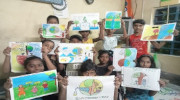 Indradhanush supports underprivileged children aged 6–14 years, both in and out of school, to successfully complete their elementary education and remain on a sustained learning path.
Direct and Indirect Beneficiaries: around 350 students
Samarth
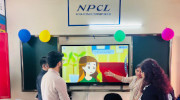 Samarth focuses on improving student experiences by augmenting the learning environment in government schools, strengthening teaching capabilities, and creating supportive academic ecosystems.
Direct and Indirect Beneficiaries: 31 schools, 9,305 students, and 289 teachers
In addition to the above, we run several complementary programmes to deepen educational impact, including Akshar, Muktangan, Yoga Workshops, and Smart Classroom Initiatives, which collectively promote foundational literacy, holistic development, digital learning, and student well-being.
CSR Theme 2 – Health
Health is where transformative societal change begins. Through strategic investments in nutrition, care, and medical support, our CSR initiatives enable underserved families to lead healthier and more fulfilling lives, while strengthening community healthcare systems.
Sneh
 Sneh supports maternal and child health, nutrition, and community awareness with a focus on the first 1,000 days of life, childcare, and adolescent anaemia. The programme also strengthens frontline health workers to track, monitor, and support at-risk mothers and children effectively.
Direct and Indirect Beneficiaries: 14,956 individuals
Apart from Sneh, we undertake health awareness drives, preventive healthcare campaigns, and community engagement programmes. Initiatives such as Sankalp (Health-focused interventions) further strengthen outreach, early detection, and awareness around key health challenges in underserved communities.
CSR Theme 3 – Skill Development
Our skill development initiatives are designed to bridge the skills gap and equip members of underserved communities with relevant vocational abilities. These programmes enhance employability, promote self-reliance, and encourage sustainable practices for long-term socio-economic growth.
Sankalp
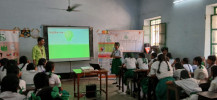 Sankalp inspires students to become change-makers by embracing sustainable practices in environmental stewardship and energy conservation.
Direct and Indirect Beneficiaries: 8,972 students and 254 teachers across 115 schools
Saksham
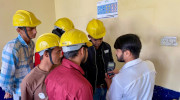 Saksham is focused on creating a skilled workforce and building a sustainable tomorrow by empowering youth and informal workers with market-relevant capabilities.
Direct and Indirect Beneficiaries: 480 youth and 7,218 informal workers
Our skilling portfolio is further strengthened through programmes such as Eklavya and targeted livelihood training initiatives. These provide vocational training for roles including Assistant Electrician, Domestic Data Entry Operator, Retail Sales Associate, Assistant Beauty Therapist, and other employment-oriented trades that improve income opportunities and long-term financial stability
CSR Theme 4 – Environment and Sustainability
We run several community-facing initiatives that promote eco-friendly habits, community-led waste management solutions, and responsible resource utilisation. These programmes contribute to sustainable livelihoods while preserving natural ecosystems for future generations.
Urja Chetana
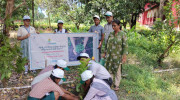 Urja Chetana raises awareness on energy conservation, waste management, water conservation, and biodiversity through school-based engagement programmes.
Direct and Indirect Beneficiaries: 13,967 students and 653 teachers across 20 schools
Kiran
 Kiran is a community-driven waste management initiative that promotes circular economy practices and generates income opportunities through compost sales.
Direct and Indirect Beneficiaries: 1,000 individuals
Areas Served: Dakshineswar
Beyond these, we implement impactful environmental programmes such as Aparajita (Waste-to-Wealth Initiative), Sanjeevani, and the installation of Rainwater Harvesting (RWH) systems. These initiatives strengthen community resilience, promote circular economy practices, conserve natural resources, and encourage long-term environmental stewardship.


 Customer Login